
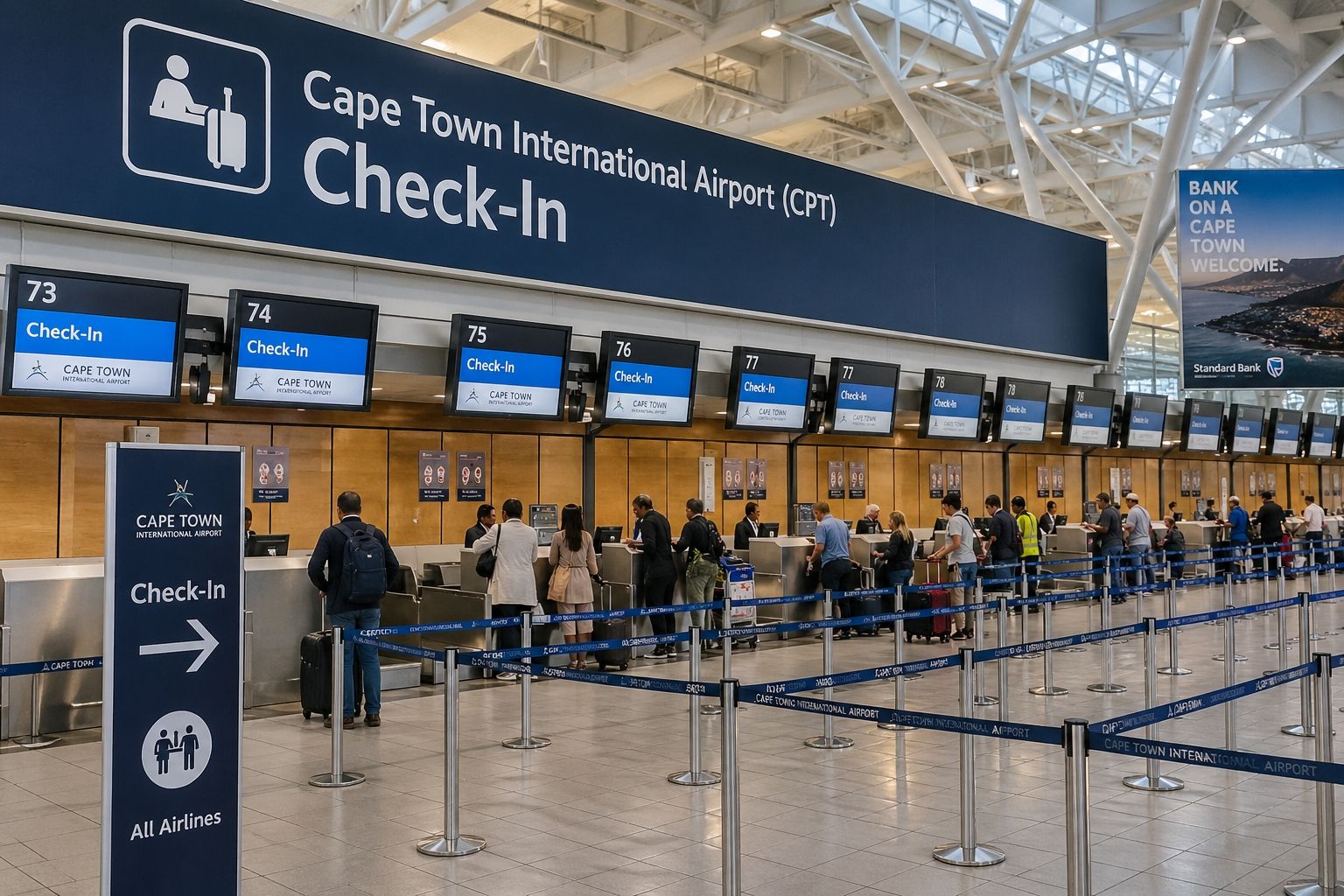
Starting your journey the right way often depends on how smoothly your airport experience begins, and understanding the Cape Town International Airport (CPT) Check-In process can make a remarkable difference. Whether you are flying for a holiday, an important business meeting, or an international adventure, being fully prepared before reaching the terminal can save time, reduce stress, and make your trip far more comfortable. A well-planned check-in experience allows passengers to move through the airport with confidence and gives them more time to relax before boarding.
Plan Your Arrival for a Comfortable Start
One of the most valuable travel tips for passengers is to plan airport arrival time carefully. Reaching the terminal early provides enough time for every important step, including finding your airline counter, completing baggage formalities, passing through security, and locating your departure gate. Domestic travelers are generally more comfortable arriving at least two hours before departure, while international passengers often benefit from arriving around three hours in advance. During holiday rush periods, school vacations, and weekend departures, extra time can be extremely useful because the airport may be significantly busier than usual.
Prepare Your Travel Documents Before Leaving Home
A smoother airport experience often begins before you even leave for the terminal. Keep your passport, government-issued ID, booking confirmation, and any required travel permits in one secure travel folder or pouch. International travelers should double-check visa requirements, return tickets, and any destination-specific travel documents before heading to the airport. Having everything organized in advance helps avoid unnecessary delays at the counter and makes the Cape Town International Airport (CPT) Check-In process much faster.
Use Online Check-In for Added Convenience
A highly convenient option for modern travelers is online check-in. Many airlines allow passengers to check in 24 to 48 hours before departure through their website or mobile application. This service allows you to select seats, confirm passenger details, and receive a digital boarding pass. Travelers with only cabin luggage often find this option especially helpful because it reduces waiting time at the airport and allows quicker access to the security area.
Understand the Check-In Counter Process
For passengers who prefer in-person assistance, airline counters remain one of the most useful options. Once inside the departure hall, digital display screens guide travelers to the correct check-in desk based on flight number and destination. Airline staff assist with boarding passes, luggage tags, seat changes, and travel verification. This option is especially helpful for families, elderly passengers, and travelers carrying special baggage such as sports gear, musical instruments, or fragile items.
Smart Baggage Management Tips
A major part of the airport process is proper luggage preparation. To make the experience easier, weigh your bags at home before leaving for the airport. Ensure your suitcase meets the airline’s size and weight guidelines to avoid extra fees or repacking at the terminal. Important items such as medications, electronics, chargers, valuables, and travel documents should always remain in your carry-on bag. Adding a visible luggage tag with your name and contact details is also a smart travel practice.
Helpful Facilities Around the Check-In Area
Passengers can often enjoy several helpful amenities near the check-in section. Comfortable waiting areas, cafés, food counters, restrooms, baggage trolleys, and seating zones make the pre-flight experience more pleasant. Families with children may find it useful to locate nearby rest areas or refreshment points before proceeding further. Travelers arriving early can use this extra time to relax, organize documents, and prepare for the next steps.
Special Support for Families and Senior Travelers
Passengers traveling with infants, young children, or elderly family members often require additional convenience. Many airlines offer priority check-in assistance, stroller support, and wheelchair services upon request. It is always a good idea to inform the airline in advance if special assistance is needed. This ensures a smoother and more comfortable airport experience for every member of the group.
Security Screening and Gate Preparation
After completing check-in, passengers proceed to security screening. To speed up this process, keep laptops, tablets, phones, liquids, and metallic items easy to remove from your bag. Once security is cleared, passengers can move to the departure lounge and confirm their boarding gate information. Since gate assignments may change, regularly checking the display screens is highly recommended.
Final Boarding Tips for a Better Experience
Before boarding, keep your passport, ID, and boarding pass in hand because these may be checked multiple times. It is also helpful to charge mobile devices and keep essentials like headphones, water, and snacks accessible in your hand luggage. A little preparation at this stage can make the journey more comfortable once you are onboard.
Conclusion
A well-prepared Cape Town International Airport (CPT) Check-In experience can transform the start of your journey into a smooth and enjoyable process. From early arrival and online check-in to smart baggage preparation and organized travel documents, every step contributes to a more comfortable travel experience. With proper planning and awareness, passengers can begin their trip with confidence and peace of mind.